
By the Geaux 72 Air & Heat team · Updated
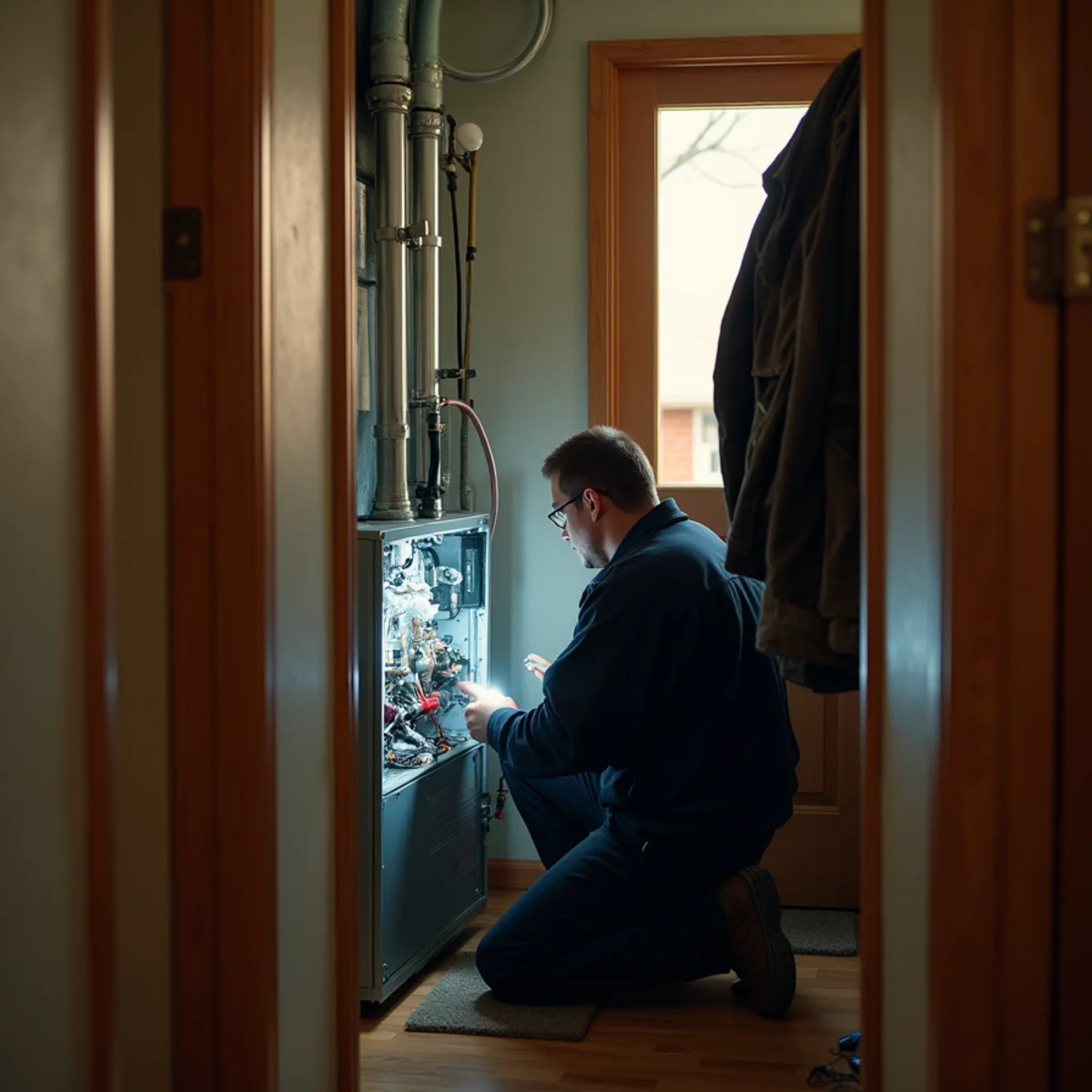
Furnace and heating repair in Azle, TX starts with a live person answering the phone 24/7. Call (321) 478-0693, tell us whether you heat with natural gas, propane or electricity, and we dispatch the nearest available licensed HVAC contractor to find the fault and price the repair before work begins.
In town, most homes run gas furnaces on Atmos Energy lines. Past the mains, toward Reno, Pelican Bay and the acreage beyond, it is propane furnaces, heat pumps and electric heat strips, so gas furnace repair, propane furnace repair and electric furnace repair each call for different parts. Problems hide through mild winters, then a hard freeze like February 2021 exposes them all in one week.
Heating problems we repair: no heat, cold air from the vents, short cycling, burning smell at first start-up
Before any heater repair call, confirm the thermostat is on Heat, the filter is clean, and the breaker and the furnace service switch are on.
| What you notice | Likely causes | What you can safely check | What the technician tests |
|---|---|---|---|
| No heat, blower silent | Thermostat, breaker, control fuse, board | Thermostat; breaker reset once; service switch | Control voltage, fault codes, limit switches |
| Blower runs, air is cold | Igniter, flame sensor, fuel supply, overheat shutoff | Heat mode, not Fan On; propane gauge | Igniter, flame signal, fuel pressure |
| Lights, then shuts off | Dirty flame sensor, clogged filter, blocked vent | Filter; outdoor vent pipes clear | Flame signal, pressure switch, inducer |
| Burning smell at first start-up | Summer dust burning off | Does it fade after the first hour? | Wiring and blower if it lingers |
| Electric heat, rooms stay cool | Burned-out element, sequencer, limit | Air handler breakers | Amp draw on each element |
A rotten-egg smell, a hot-plastic smell or a carbon monoxide alarm is not a troubleshooting item; see the safety section below.
Clicks, booms, squeals and the blinking light on the furnace door
- Clicking, then nothing: the control is trying to light the burners and failing, usually a cracked hot-surface igniter, a dirty flame sensor or no gas or propane reaching the valve. After a few tries most furnaces lock out for an hour.
- A boom when the burners light: gas is building up before it ignites, from dirty burners or a weak igniter. Turn the furnace off at the thermostat and call; do not keep cycling it.
- Squealing or grinding from the blower: worn motor bearings, or a belt on older belt-drive units. It tends to show up on the first cold morning after months of AC-only use.
- Rattling from inside the cabinet: a loose panel or a failing inducer motor, and occasionally a cracked heat exchanger, which is why it gets checked rather than ignored.
- A blinking light behind the small window in the door: the control board is reporting a fault code. Take a photo or count the flashes, match it to the chart on the panel door, and read it to the dispatcher. It tells the technician which part to check first.
Gas furnace repairs: igniters, flame sensors, inducer motors and control boards
A gas furnace lights in sequence: inducer motor, pressure switch, hot-surface igniter, gas valve, flame sensor. A failure at any step locks it out.
- Igniters crack with age; a furnace that clicks but never lights often needs one.
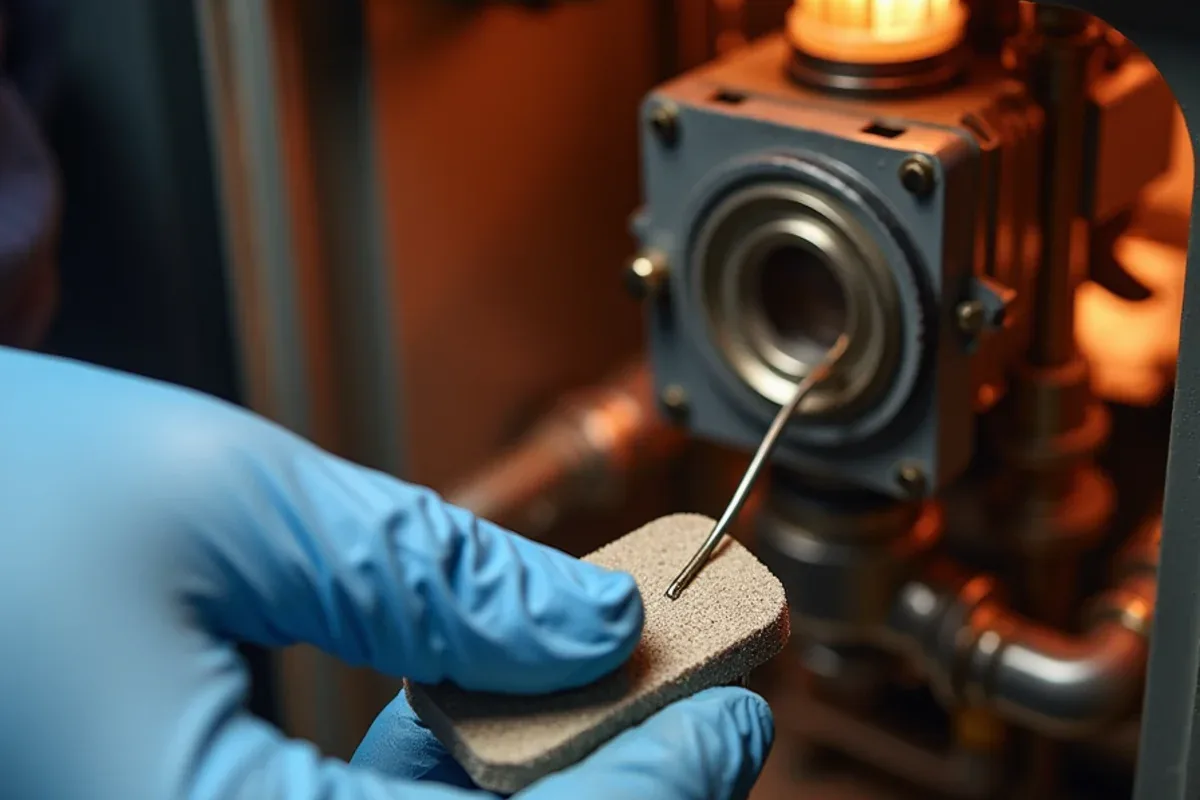
- Flame sensors coat over, so the burners light and quit within seconds. Cleaning or replacing one is a common winter fix.
- Inducer motors squeal as bearings wear and keep the pressure switch from closing.
- Control boards fail from age or surges; the blinking fault code shows where to start.
Propane furnaces on rural Tarrant and Parker County properties
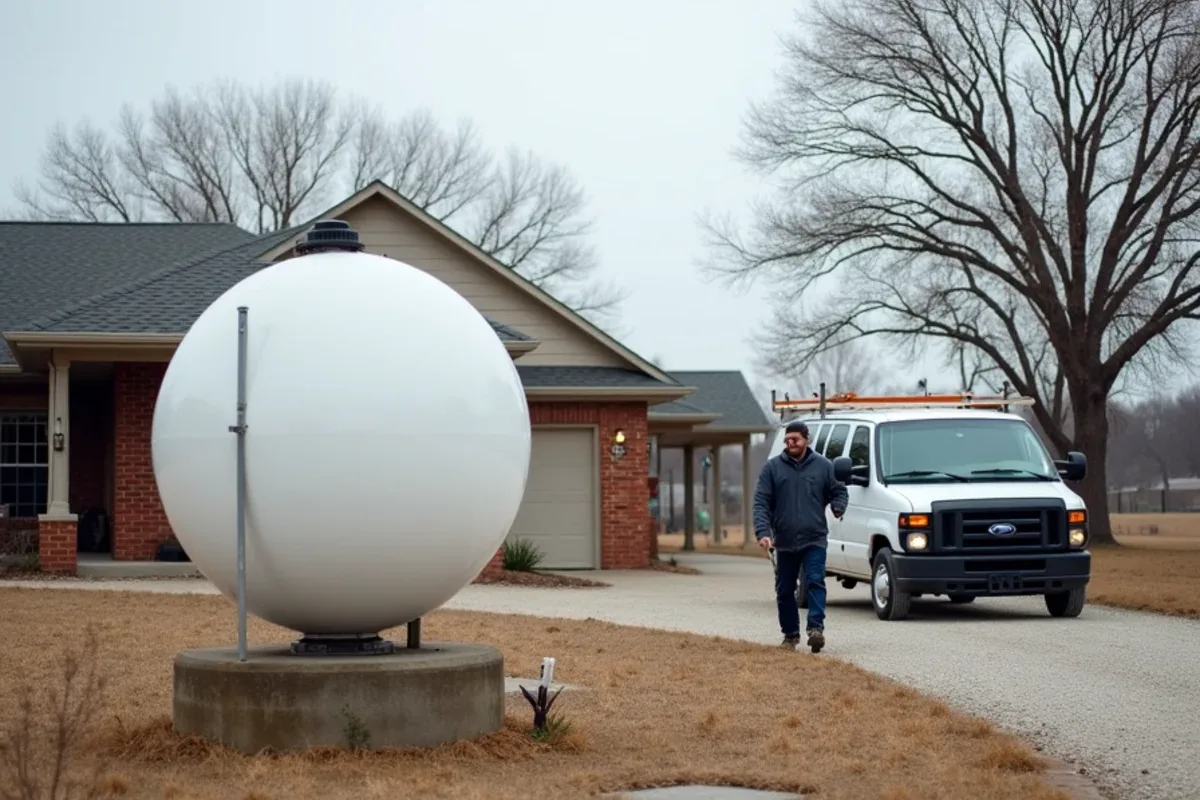
A propane furnace uses LP orifices, a propane regulator and a tank on the property. Its own failure points:
- Empty tank. After a run-out, the supplier typically leak-checks the system before relighting.
- Regulator problems starve the burners, causing weak flames or lockouts.
- Incomplete conversion burns dirty and soots the heat exchanger.
Propane homes suit dual fuel, with a heat pump for mild days. Compare options in heat pump vs. furnace for homes near Azle, or see heat pump repair and installation.
Electric furnaces and air-handler heat strips
All-electric and many manufactured homes heat with resistance elements, in an electric furnace or as heat strips in the air handler, which heat pumps also use as backup. There is no flame or CO, but a lot of current. Common failures are burned-out elements, failed sequencers, limit switches tripping on low airflow and overheated wiring.
High-current work. Reset a tripped air handler breaker once. If it trips again, leave it off and call, and never open the electrical compartment.
Carbon monoxide, cracked heat exchangers and when a furnace has to stay off
Gas smell or CO alarm: leave the house first, with everyone and the pets. From outside, call 911 and Atmos Energy, or your propane supplier. Do not flip switches or look for the leak.
The heat exchanger keeps combustion gases out of the air your blower circulates. Years of heat stress can crack it and let carbon monoxide, which has no smell, into the house, so every home with gas or propane heat needs working CO alarms.
The technician checks with a camera inspection, watches the flame as the blower starts, runs a combustion analysis and tests the vent and draft. A confirmed crack means the furnace is shut off and tagged until it is replaced. Ask to see the photo or video; a second opinion on a call that large is reasonable.
Repair or replace an older furnace
A gas furnace often lasts roughly 15 to 20 years or more, since it runs only a few months a year here. Replacement usually makes sense with a confirmed cracked heat exchanger, repeated major repairs near 20 years, or a new AC the old blower cannot match (see AC installation and replacement). An igniter or flame sensor on a sound furnace is almost always worth fixing.
Hard freezes in North Texas: what fails first when the temperature drops into the teens
In a hard freeze a furnace runs for hours instead of cycling lightly, and February 2021 showed what gives out first:
- Marginal igniters and flame sensors
- Heat strips, sequencers and breakers on heat pumps running in backup
- Propane tanks running low while icy roads slow deliveries
- Frozen condensate lines on high-efficiency furnaces
- Vent pipes blocked by ice or snow
Before a forecast freeze, schedule a heating check, change the filter, fill the propane tank and test the CO alarms. If the heat fails anyway, read no heat during a Texas freeze or call for 24/7 emergency heating repair.
What a heating repair visit includes
- Honest timing, even on a freeze night
- A safety check for gas leaks, venting and CO
- A diagnosis matched to gas, propane or electric heat
- A written price before any repair starts
- Photos of any cracked heat exchanger
- Full heating cycles run after the repair
How a heating repair visit works
- 1Call any hour. Tell us the fuel, the symptom and any alarm or smell; we confirm timing honestly.
- 2Safety first. Gas leaks, venting and CO are checked before anything else.
- 3Diagnosis. Fault codes, flame signal, fuel pressure or heat strip amps.
- 4Written price. You approve the repair before work begins.
- 5Repair and test. Full heating cycles confirm the fix.
Why choose Geaux 72 Air & Heat for furnace and heating repair
Answered on the coldest nights
(321) 478-0693 reaches a live person 24/7, and you get real timing, not a promise made to end the call.
Licensed and insured in Texas
Every HVAC contractor we send is licensed and insured in Texas. Ask for the license number and look it up with TDLR.
Nothing condemned without proof
Repairs are priced in writing first, and a cracked heat exchanger comes with photos.
Gas, propane and electric
Azle sits where Atmos gas lines give way to propane tanks and heat strips, and the dispatch covers all three.
What affects heating repair cost
A flame sensor cleaning is one of the least expensive visits; a heat exchanger or a new furnace sits at the top. The technician diagnoses first and gives you a written price before work starts.
- Fuel type. Gas, propane and electric systems use different parts.
- The failed part. Igniters low, inducers and boards in the middle, heat exchangers highest.
- Parts availability. Some boards and inducers must be ordered.
- Location. A cold attic furnace takes longer than a closet unit.
- Safety findings. Venting repairs or a tagged furnace change the scope.
- Timing. Any after-hours rate is stated before dispatch.
We don't publish prices we can't stand behind: you hear the price for your system, from the technician who diagnosed it, before any work starts.
Furnace and Heating Repair around Azle, TX
Inside Azle, heating calls are mostly gas furnaces in attics and hall closets. Toward Reno, Pelican Bay and the homes around Eagle Mountain Lake, more houses run propane or all-electric heat, and a freeze tends to hit those first. The same dispatch covers heating repair in Springtown, Lake Worth with its older closet furnaces, and Saginaw. See all our service areas.